
Mac Vs PC - Some Considerations
Published by Rich Fawthrop in Apple the 26/07/2023 at 19:23

In today's fast-paced and technology-driven world, the choice between an Apple Mac and a PC has become a topic of great debate. Both options possess their unique strengths and cater to different needs and preferences. Whether you are a professional or an average user, it is essential to make an informed decision when purchasing a new computer. This blog post aims to provide a comprehensive introduction to the comparison between Apple Mac and PC, highlighting their features, user experiences, and suitability for various business and personal uses. By the end of this post, you will have a better understanding of the key differences between these two prominent computing systems , helping you determine which one aligns best with your needs and goals. So, let's dive in and explore the Mac vs PC battle in depth.
Brief history of Apple Mac and PC (the origins and development of both platforms)
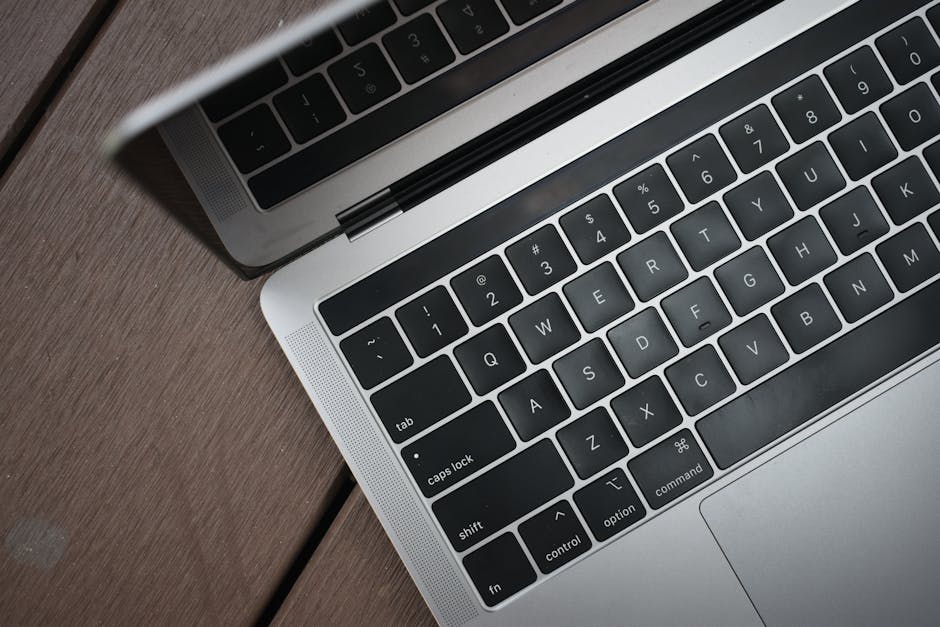
The history of Apple Mac and PC is a fascinating journey that has shaped the technology landscape for several decades. Both platforms have their roots in the 1970s, where they emerged as pioneers in personal computing. Let's delve into a brief history of these two iconic platforms and the significant milestones they achieved along the way.
Apple Mac, short for Macintosh, was introduced by Apple Inc. in 1984. Its journey started with the vision of Steve Jobs and Steve Wozniak, who aimed to create a computer that would be more accessible and user-friendly than other options available at the time. The Macintosh brought a graphical user interface to the mainstream audience, allowing users to interact with the system using icons, windows, and a mouse. This groundbreaking innovation revolutionized the way people interacted with computers.
Prior to the Macintosh, personal computers were mainly dominated by the IBM PC and its clones. The IBM PC, powered by Microsoft's MS-DOS operating system, was unveiled in 1981 and quickly gained popularity in the business world. The PC's open architecture allowed for compatibility with a wide range of software and hardware components, leading to its widespread adoption by both businesses and individual users.
Throughout the 1980s and 1990s, Apple and PC manufacturers engaged in a fierce competition. Apple Mac, with its sleek design, intuitive interface, and innovative features, aimed to cater to creative professionals and those seeking a more seamless user experience. On the other hand, PC manufacturers focused on expanding compatibility, offering a broader range of hardware and software options that appealed to a wider audience.
The late 1990s marked a turning point for Apple Mac when Steve Jobs returned to the company as CEO. Jobs revamped the Mac lineup, introducing bold designs and pushing the boundaries of technology. This period saw the release of iconic products like the iMac, MacBook, and later, the Mac Pro. With its emphasis on design, performance, and seamless integration with its operating system, Mac established itself as a preferred choice for creative industries and individuals who valued both aesthetics and functionality.
In contrast, PC manufacturers continued to dominate the overall market share, focusing on affordability, expandability, and compatibility. The introduction of Windows 95, Windows XP, and subsequent versions provided improved user experiences on the PC platform, making it even more enticing for businesses and mainstream consumers.
Over the years, both Apple Mac and PC have continued to innovate and evolve. Apple's transition from PowerPC processors to Intel processors in 2006 opened up new opportunities for Mac compatibility while maintaining its signature design and user experience. PC manufacturers have also embraced advancements in hardware and software, delivering high-performance machines for gamers, professionals, and everyday users alike.
Today, Apple Mac and PCs coexist in a tech landscape that caters to a diverse range of user preferences and needs. Apple Mac's emphasis on design, user experience, and seamless integration across its ecosystem appeals to creatives, while PCs continue to dominate the business world and provide a vast array of hardware and software options.
The history of Apple Mac and PC showcases the continuous competition, innovation, and evolution within the personal computing industry. As technology continues to advance, the rivalry between these two platforms remains strong , providing users with a wealth of options and driving further innovation for years to come.
Comparison of hardware (highlighting the differences in design, build quality, and available options)

When it comes to comparing hardware, Apple Mac and PCs have their own distinct features and differences. Let's delve into the aspects of design, build quality, and available options to understand their contrasting qualities.
Design is one area where Apple Macs have always stood out. Renowned for their sleek and minimalist aesthetics, Apple takes great pride in crafting their products with attention to detail. Macs tend to have a unified construction, featuring aluminum enclosures that not only lend a premium look but also contribute to their durability. The clean lines and minimalist design language make Macs visually appealing and often set them apart from the competition.
On the other hand, PCs offer a wider range of design options due to the vast number of manufacturers in the market. From sleek and ultra-thin laptops to customizable towers, users have a broader spectrum of choices when it comes to PC design. The build quality of PCs can vary depending on the brand and price range. While some PCs may match the sturdiness and premium materials found in Macs, others might not meet the same level of craftsmanship.
In terms of available options, Apple Macs offer a more limited range. Apple tightly controls and optimizes their hardware and software integration, aiming to provide a seamless user experience. While this restriction may limit hardware customization possibilities , it ensures a higher level of system stability and reliability. Mac users can choose from a selection of preconfigured options, ensuring that they receive a device that fits their needs without needing to navigate through numerous hardware specifications.
PCs, on the other hand, offer a vast array of hardware options due to the open architecture of the Windows operating system. Users can choose from a variety of manufacturers, allowing for greater customization in terms of processor, graphics card, memory, storage, and other features. This flexibility grants PC users the option to build a system tailored to their specific needs, whether it be for gaming, creative work, or business applications.
In conclusion, the comparison of hardware between Apple Macs and PCs reveals stark differences. Apple Macs, known for their sleek design and premium build quality, offer a more limited scope of options but promise a refined user experience. PCs, on the other hand, provide a wider range of design possibilities and hardware customization, catering to the diverse needs and preferences of users. Understanding these contrasting qualities will help individuals make an informed decision based on their requirements and priorities.
Operating systems (explaining the features and benefits of macOS and Windows)

When choosing between Apple Mac and PC, one crucial factor to consider is the operating system. The operating system dictates how you interact with your computer, manages hardware and software resources, and ultimately shapes your overall user experience.
macOS, the operating system of Apple Mac computers, is known for its sleek and intuitive design. It offers a seamless integration between hardware and software, providing users with a cohesive and stable environment. macOS boasts excellent performance and stability, as it is specifically developed to run exclusively on Apple hardware. This optimized approach allows for a smooth and reliable user experience across various Apple devices.
One of the key features of macOS is its user-friendly interface. Apple has focused on creating an intuitive and visually appealing operating system that is easy to navigate for users of all skill levels. The dock at the bottom of the screen provides quick access to frequently used applications, while the menu bar at the top offers easily accessible system settings and notifications.
macOS also offers a range of productivity and creativity tools, such as iWork (Pages, Numbers, and Keynote) and professional-grade multimedia software like Final Cut Pro X and Logic Pro X. Apple's robust ecosystem further enhances the user experience, enabling seamless synchronization between devices and services through features like iCloud, Handoff, and Airdrop.
On the other hand, Windows, the operating system used by PCs, provides users with a versatile and customizable platform. Windows offers compatibility with a wide range of hardware and software options, allowing users to build a PC tailored to their specific needs. This flexibility makes Windows a popular choice for gamers, as it supports a vast library of games and hardware configurations.
Windows operates on a more open system, meaning users have greater freedom to modify and customize their computers. This makes it ideal for individuals who prefer a higher level of control over their operating system and the ability to install third-party applications or hardware.
Windows also offers a robust suite of productivity tools, including Microsoft Office, which is widely used in business settings. Additionally, Windows has a vast collection of software applications available, ensuring that users have access to a wide range of options for their specific needs.
In summary, both macOS and Windows have their unique features and benefits. macOS offers a sleek and optimized user experience, while Windows provides flexibility and extensive compatibility options. Ultimately, the choice between the two depends on your specific requirements, preferences, and how you intend to use your computer.
User interface (discussing the user experience and design of both operating systems)

When it comes to comparing Apple Mac and PC, one of the significant aspects to consider is the user interface. Both operating systems have their own unique design and user experience that cater to different preferences and needs.
Apple Mac, known for its sleek and intuitive design, offers a user-friendly interface that prioritizes simplicity and elegance. The macOS operating system features a clean and organized desktop with a dock at the bottom where users can easily access their favorite applications. The menu bar provides quick access to system settings and features, allowing for efficient navigation. Additionally, the Mac operating system incorporates gestures and multi-touch functionality, making it possible to interact with the system in a natural and effortless manner.
On the other hand, PC operating systems offer a range of options such as Windows 10, which provides a more flexible user interface. Windows focuses on providing users with a customizable experience, allowing them to personalize their desktop, taskbar, and start menu to suit their preferences. The tiled start menu provides quick access to applications and live tiles for real-time updates. The PC operating system also offers compatibility with a wide range of software and hardware, giving users the flexibility to choose from various options.
Both the Apple Mac and PC user interfaces have their strengths and appeal to different types of users. Mac is renowned for its simplicity and modern design, while PC offers customization options and flexibility. Ultimately, the choice between the two will depend on personal preferences, workflow requirements, and the need for specific software compatibility.
In conclusion, when considering the user interface of Apple Mac and PC, it's important to take into account the overall user experience and design approach. Both operating systems have their merits and cater to different user needs, so it's essential to choose the one that aligns with individual preferences and requirements.
Software compatibility (comparing the availability and compatibility of software on Mac and PC)
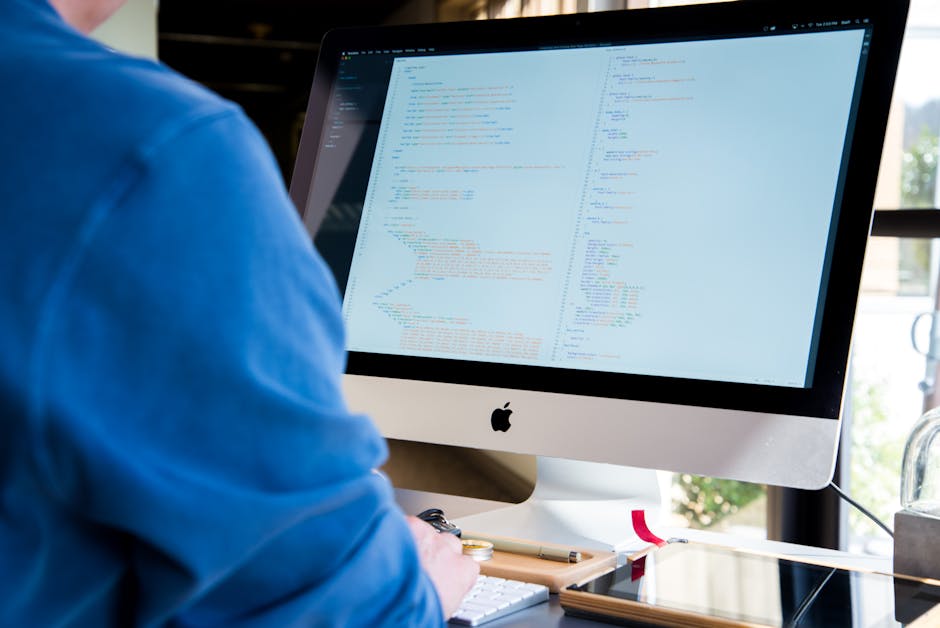
When it comes to software compatibility, the choice between Apple Mac and PC can play a significant role in determining which option is better suited for your business needs.
Mac computers are known for their sleek design, user-friendly interface, and seamless integration with other Apple devices. One of the advantages of using a Mac is the availability of a wide range of software applications specifically designed for the macOS operating system. Mac users can access popular software such as Final Cut Pro, Logic Pro, and GarageBand, which are known for their efficiency and functionality in various creative fields like video editing , music production, and graphic design.
However, it's worth noting that the software compatibility on Mac may have certain limitations, especially when it comes to industry-specific or niche software applications. Some software developers primarily focus on creating applications for the Windows operating system due to its larger market share and user base. As a result, some specific business software, such as accounting or manufacturing applications, may have limited availability or compatibility on Mac.
On the other hand, PC users have a broader range of software options available to them due to the Windows ecosystem's widespread adoption. Windows-compatible software applications cover a wide spectrum of industries and offer extensive functionality for business operations. This compatibility advantage is particularly prominent when it comes to enterprise software, as PC users have access to diverse business management systems, customer relationship management tools , and industry-specific applications.
Moreover, PC users can also take advantage of virtualization software to run macOS or other operating systems on their computers. This flexibility allows businesses to use Mac-specific software when necessary while keeping their primary operations on the more widely compatible Windows platform.
Ultimately, the choice between Mac and PC boils down to weighing the availability of specialized software applications against the compatibility requirements of your business. If your industry relies heavily on niche software that is primarily developed for Windows, a PC might be the optimal choice. However, if you are in a creative field or prefer a seamless, user-friendly experience, a Mac may better suit your needs despite potential software limitations . It's crucial to thoroughly research the software options required for your business operations and consider compatibility factors before making a decision.
Gaming capabilities (exploring the pros and cons of gaming on Mac and PC)

When it comes to gaming capabilities, there are definitely pros and cons to consider when comparing Apple Mac and PC.
One of the main advantages of gaming on a PC is the extensive range of games available. PC gaming offers a vast library of titles, including many exclusive games and access to popular gaming platforms like Steam. Additionally, PCs are highly customizable, allowing gamers to upgrade their hardware to improve performance or meet specific gaming requirements. This flexibility can greatly enhance the gaming experience.
On the other hand, Mac computers traditionally haven't been known for their gaming capabilities. While Macs have seen improvements in recent years, the gaming options for Mac users are more limited compared to PCs. Many popular games are initially released for PC and may take longer to become available for Mac, if at all. This can be frustrating for Mac users who have to wait for game developers to release compatible versions.
Another aspect to consider is the availability of gaming accessories and peripherals. PCs generally have a wider range of gaming-specific accessories, such as gaming keyboards, mice, and headsets, due to the larger market. This offers PC gamers more options to customize and enhance their gaming experience. Mac users, on the other hand, may find it more challenging to find a wide variety of gaming accessories specifically designed for their devices.
It's worth mentioning the performance aspect as well. PCs, especially high-end gaming rigs, are known for their superior processing power, graphics capabilities, and overall performance. This allows for smoother gameplay, higher resolution graphics, and faster load times. Macs, while still capable of handling many games, generally have lower specifications, which can result in slightly reduced performance compared to PCs with similar specifications.
In summary, if gaming is a priority for you, a PC might be the more suitable choice due to its wider range of game availability, customization options, performance capabilities, and availability of gaming accessories. However, it is important to note that Macs have been making improvements in gaming capabilities and might still be a viable option, especially for casual gamers or those with specific preferences for the Mac ecosystem. Ultimately, the decision will depend on individual preferences, budget, and overall gaming requirements.
Price range (comparing the general pricing and customization options of Mac and PC)
When it comes to comparing the price range of Apple Mac and PC, there are a few key factors to consider. Firstly, it's important to note that Macs tend to have a higher upfront cost compared to PCs. This is largely due to the premium hardware and design that Apple is known for. On the other hand, PCs offer a wide variety of price options ranging from budget-friendly to high-end models, allowing customers to choose according to their specific needs and budget.
Customization is another aspect to consider. PCs offer greater flexibility in terms of customization options. With a PC, users can easily upgrade or replace individual components such as the processor, memory, hard drive, and graphics card, allowing for future proofing and tailored performance. Apple Macs, on the other hand, have more limited customization options as they are designed and built as complete systems. Any upgrades or replacements typically need to be done through authorized service providers, which may result in additional costs.
Despite the initial higher cost of Apple Macs, it's worth noting that they have a reputation for retaining their value over time. This means that if you decide to sell your Mac down the line, you may be able to recoup a higher percentage of your initial investment compared to a PC. Additionally, Macs are known for their longevity and reliability, with many users reporting extended lifetimes and minimal performance degradation over the years.
If budget is a driving factor, PCs offer a wider range of options to suit varying price points . However, if you value premium design, user-friendly experience, and longevity, investing in an Apple Mac may be worth considering despite the higher upfront cost.
In summary, when comparing the price range of Apple Mac and PC, it's important to consider the upfront cost, customization options, and long-term value. PC offers a wider range of affordability and customizability, while Macs come with a higher initial investment but are renowned for their premium design and longevity. Ultimately, the choice between the two will depend on your specific needs, budget, and personal preferences.
User preferences and demographics (analyzing the target audience and typical user preferences of Mac and PC)
When it comes to the never-ending debate between Apple Mac and PC, one aspect that cannot be overlooked is user preferences and demographics. Both Mac and PC have distinct target audiences with differing preferences and characteristics that sway their decision-making.
Let's start by examining the typical user preferences of Mac users. Mac users are often characterized by their preference for a sleek and minimalistic design that is synonymous with Apple products. They value aesthetics and are willing to invest in a premium product that reflects their personal style and taste. Mac users tend to prioritize a seamless user experience, high-quality performance, and integration across multiple Apple devices, making them ideal for individuals who are already part of the Apple ecosystem.
On the other hand, PC users encompass a much broader demographic with varying preferences. PC users often prioritize flexibility and customizability, allowing them to adapt their devices to suit their specific needs. This freedom to choose from a wide range of hardware options and software compatibility is a major selling point for the PC platform. PC users may consist of gamers, creative professionals, business users, or those seeking affordability without compromising functionality .
When considering the demographics, the divide between Mac and PC users becomes more apparent. Mac users retain a reputation for being prevalent among creative professionals, designers, artists, and those in the media industry. Their preference for Mac stems from the platform's robust multimedia capabilities, innovative software such as Final Cut Pro and Logic Pro X, and inherent compatibility with graphic design and video editing tools.
On the other hand, PC users can be found across various industries and demographics. From gamers seeking high-performance systems with cutting-edge hardware to business professionals relying on compatibility with specific software applications, PC users can adapt their devices to meet their unique requirements.
While understanding user preferences and demographics is crucial, it is important to remember that these preferences may change over time due to advancements in technology and shifting trends. Therefore, it is essential for both Mac and PC manufacturers to continuously innovate and focus on addressing the evolving needs and demands of their respective target audiences.
In conclusion, the decision to choose between Apple Mac and PC ultimately boils down to individual preferences, work requirements, and overall usability. Analyzing the target audience and typical user preferences of both platforms provides valuable insights into why people gravitate towards one or the other. By understanding these differences, companies can tailor their marketing strategies and product offerings, ensuring that they effectively resonate with their intended customer base.