
A very brief look at the History of Apple
Published by Rich Fawthrop in Apple History the 04/07/2023 at 22:47

One of the most iconic and influential companies in the world, Apple Inc., has a long-standing history filled with innovation, perseverance, and groundbreaking products. From its humble beginnings in a suburban garage to becoming a global tech giant, Apple has become synonymous with cutting-edge technology and sleek design.
Founded in 1976 by Steve Jobs, Steve Wozniak, and Ronald Wayne, Apple originally started as a company focused on creating and selling personal computers. Their first product, the Apple I, was a bare circuit board that had to be assembled by the customers themselves. Despite its limited success, it laid the foundation for future innovations that would change the world.
In 1977, Apple released the Apple II, which marked a significant turning point for the company. This fully assembled personal computer introduced color graphics and an accessible interface, making it more user-friendly and appealing to a wider audience. The Apple II's success propelled Apple into the mainstream, positioning the company as a leader in the burgeoning personal computer industry .
However, it was the introduction of the Macintosh in 1984 that truly established Apple as a pioneer in the tech industry. With its revolutionary graphical user interface and mouse input, the Macintosh set a new standard for computing and became an instant sensation. The commercial, directed by Ridley Scott and aired during the Super Bowl, showcased Apple's commitment to challenging the status quo and thinking differently.
In the following decades, Apple faced its fair share of challenges, including a decline in market share and Steve Jobs' temporary departure from the company in the mid-1980s. However, the company carried on, releasing innovative products like the PowerBook, the iMac, and the iPod, which would revolutionize the music industry.
The turning point for Apple came in 2001 with the launch of the iPod, an iconic portable music player that changed the way we listen and carry our music. This success was followed by subsequent groundbreaking products like the iPhone in 2007 and the iPad in 2010, solidifying Apple's dominance in the consumer electronics market. Under the leadership of Steve Jobs, Apple became known for its ability to create products that seamlessly blended cutting-edge technology with sleek design, captivating consumers worldwide.
Today, Apple is one of the most valuable and recognizable brands in the world. With a wide range of products and services spanning from smartphones to laptops, wearables, and digital services like Apple Music and Apple TV+, the company continues to push boundaries and disrupt industries.
In the next sections of this blog post, we will delve deeper into different milestones and notable moments in Apple's history, exploring the impact of its innovations on both the technology sector and society as a whole. Stay tuned as we uncover the remarkable journey of Apple and the legacy it has left behind.
- Brief overview of Apple's history and its impact on technology and innovation

Apple History
Apple Inc. is a globally recognized technology company renowned for its innovation and cutting-edge products. Established in 1976 by Steve Jobs, Steve Wozniak, and Ronald Wayne, Apple has had a profound impact on the world of technology.
During its early years, Apple focused on producing personal computers. The release of the Apple II in 1977 marked a significant milestone for the company, as it became one of the first mass-produced, user-friendly computers available to the public. This launch set the stage for Apple's commitment to making technology accessible and intuitive for everyone.
In 1984, Apple made waves with the introduction of the Macintosh computer. This revolutionary device featured a graphical user interface (GUI) and popularized the use of a mouse as a navigational tool. The Macintosh paved the way for future advancements in personal computing, ultimately shaping the way we interact with computers today.
Throughout the years, Apple continued to push boundaries and redefine entire industries. The company completely transformed the music industry with the release of the iPod in 2001, which revolutionized the way we listen to music. The iTunes Store followed shortly, providing a legal and convenient platform for purchasing and downloading music, further disrupting traditional distribution models .
Apple's innovation reached new heights with the launch of the iPhone in 2007, a groundbreaking device that combined a mobile phone, music player, and internet communicator into one sleek package. The iPhone not only revolutionized the mobile phone industry but also spawned advancements in touch screen technology, app development, and mobile computing.
In recent years, Apple has expanded its product portfolio to include the iPad, Apple Watch, and an array of services such as Apple Music and Apple TV+. Each product and service released by Apple carries the company's signature blend of design excellence, user-friendly interfaces, and seamless integration.
Today, Apple is not only synonymous with technological innovation but is also a leading brand in terms of design, performance, and user experience. The company's commitment to excellence has earned it a dedicated global customer base and made it a benchmark for other technology companies to aspire to.
In conclusion, Apple's rich history is filled with groundbreaking products and technologies that have shaped the world of technology and changed the way we live, work, and communicate. From personal computers to smartphones and beyond, Apple continues to embody its brand ethos of delivering innovative, user-friendly, and beautifully designed products that impact industries and leave a lasting legacy on the world of technology.
Founding of Apple (1976)

In 1976, a revolutionary company was born in Cupertino, California – Apple Inc. Founded by Steve Jobs, Steve Wozniak, and Ronald Wayne, Apple was established with a vision to build user-friendly and innovative technology that would change the world.
The journey of Apple began in Jobs' family garage, where the two Steves worked tirelessly to create the first Apple computer. Their collaboration resulted in the release of the Apple I, a rudimentary computer designed for hobbyists and enthusiasts. Despite its relatively simple design, the Apple I gained attention among computer hobbyists for its unique features and potential.
To transform their garage project into a legitimate business, Jobs and Wozniak sought financial assistance. They approached Mike Markkula, a successful venture capitalist, who recognized the immense potential of the company's ideas and joined as Apple's first investor.
Soon after, Apple introduced the Apple II, a personal computer that would revolutionize the technology industry. The Apple II was a game-changer with its color graphics, built-in keyboard, and an open architecture that allowed users to expand and modify the device. The user-friendly interface of the Apple II appealed to a broader audience, leading to its commercial success and establishing Apple as a key player in the burgeoning personal computer market.
Amidst this early success, Ronald Wayne, the third co-founder, decided to sell his 10% stake in Apple due to personal reasons, making Jobs and Wozniak the sole owners of the company. Wayne's decision, while regrettable in retrospect, helped streamline decision-making within Apple, enabling the founders to chart a bold and transformative path for the company's future.
The founding of Apple in 1976 laid the foundation for the company's pursuit of groundbreaking innovation and design excellence. With their unprecedented focus on user experience, Apple would continue to redefine the boundaries of technology and create products that would change the lives of millions worldwide. Little did anyone know at the time that Apple's humble beginnings would mark the start of a remarkable journey that would shape the future of computing and consumer electronics.
- Co-founders Steve Jobs, Steve Wozniak, and Ronald Wayne

Co-founders Steve Jobs, Steve Wozniak, and Ronald Wayne played a crucial role in the establishment and early success of Apple.
Steve Jobs, known for his visionary leadership and passion for design, was the driving force behind Apple's innovative products and marketing strategies. His attention to detail and insistence on creating user-friendly experiences shaped the company's ethos and set it apart from competitors. Jobs had a remarkable ability to anticipate consumers' needs and revolutionize entire industries with breakthrough devices like the iPod, iPhone, and iPad.
Steve Wozniak, on the other hand, was the technical genius behind Apple's early products. With his engineering skills and dedication to excellence, Wozniak played a pivotal role in designing and developing the company's first line of computers. His ingenuity and commitment to pushing technological boundaries laid the foundation for Apple's reputation as a leader in cutting-edge technology.
Although less well-known than his co-founders, Ronald Wayne was an integral part of Apple's early days. He was responsible for drafting the company's first logo and creating the partnership agreement that officially established Apple Computer Company in 1976. Wayne also documented the partnership's ownership stakes, holding a 10% share in the company. However, he decided to sell his share just 12 days after Apple's incorporation, fearing personal liability for the other founders' debts. While his decision may have seemed unfortunate in hindsight, Wayne's contributions to Apple's initial phase should not go unnoticed.
The collaboration between Jobs, Wozniak, and Wayne laid the foundation for Apple's ongoing success and its legacy as an innovative and influential tech company. Their combined skills, vision, and entrepreneurial spirit shaped the company's culture and products from the very beginning, setting the stage for Apple's transformation into one of the most valuable and beloved companies in the world.
- Development of the Apple I computer
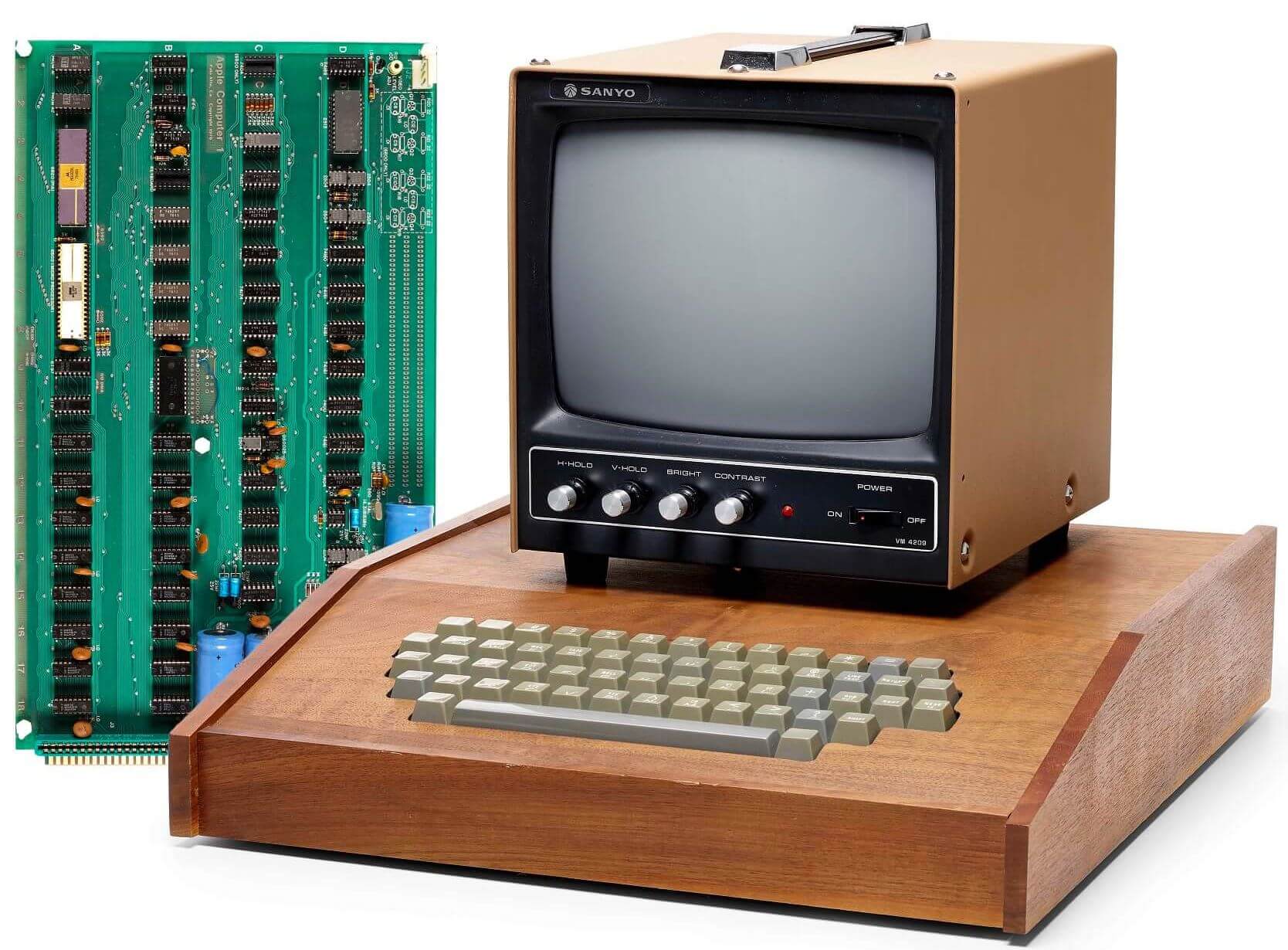
Photo by Caio on Pexels
The development of the Apple I computer marks a significant milestone in the history of Apple Inc. It all began in 1976 when Steve Jobs and Steve Wozniak, two college dropouts with a passion for technology, founded the company in a garage in Los Altos, California.
Focused on creating a personal computer that was user-friendly and accessible to a wider audience, Jobs and Wozniak worked tirelessly to design and develop the Apple I. With its sleek and minimalist design, the Apple I set itself apart from other computers of that time.
The Apple I was built by hand and consisted of a circuit board, a keyboard, and a monitor. It was Wozniak's engineering expertise that made the Apple I a reality. He created a microprocessor-based design that integrated various components onto a single board, making it more compact and cost-effective.
Initially, the Apple I was not intended for the average consumer but rather for electronics enthusiasts and hobbyists. It was priced at $666.66, a number chosen which aligned with Wozniak's affinity for repeating numbers. Despite its limited market, the Apple I garnered attention for its innovative design and capabilities.
One of the key factors behind the success of the Apple I was the partnership formed between Jobs and Wozniak. While Jobs focused on marketing and sales, Wozniak dedicated his efforts to refining and improving the computer's technical aspects. Together, they created a winning combination that would propel Apple forward.
Despite its limitations, the Apple I laid the foundation for future developments in personal computing. Its success opened doors for further innovations and set the stage for the launch of the Apple II, a highly successful computer that would revolutionize the industry.
The development of the Apple I exemplifies the entrepreneurial spirit and perseverance that has become synonymous with Apple Inc. The company's commitment to delivering groundbreaking technology that is both functional and aesthetically pleasing has played a pivotal role in its journey from a garage startup to a global tech giant.
Early success with Apple II (1977)
In 1977, Apple experienced early success with the launch of the Apple II, marking a significant milestone in the company's history. The Apple II was the first personal computer that came equipped with color graphics, making it stand out from its competitors. It quickly gained popularity among consumers , particularly in the education sector, thanks to its user-friendly interface and innovative features.
One of the key factors behind the Apple II's success was its expandability. It was one of the first computers to offer expansion slots, allowing users to upgrade their machine with additional peripherals and hardware components. This flexibility attracted a wide range of users, including hobbyists, businesses, and schools, who could adapt the Apple II to their specific needs.
Furthermore, the Apple II's software library was constantly expanding. The release of VisiCalc, the first- ever electronic spreadsheet software , greatly contributed to the computer's popularity in the business world. VisiCalc enabled users to analyze and manipulate numerical data, revolutionizing how businesses handled financial planning and analysis. This breakthrough application turned the Apple II into a must-have tool for professionals, solidifying its place in the market.
Apple's commitment to quality and innovation was evident in the Apple II's hardware design. Its sleek and modern appearance, combined with its advanced features, set it apart from the competition. The machine became an instant icon and a symbol of Apple's commitment to pushing the boundaries of technology.
By the early 1980s, the Apple II had become one of the most successful personal computers of its time, surpassing sales expectations and establishing Apple as a formidable player in the industry. The Apple II's early success laid the foundation for the company's future endeavors, setting the stage for the groundbreaking products and innovations that were yet to come.
Stay tuned for the next section as we continue to explore the remarkable journey of Apple and its impact on the world of technology.
- Introduction of Apple II, a breakthrough personal computer
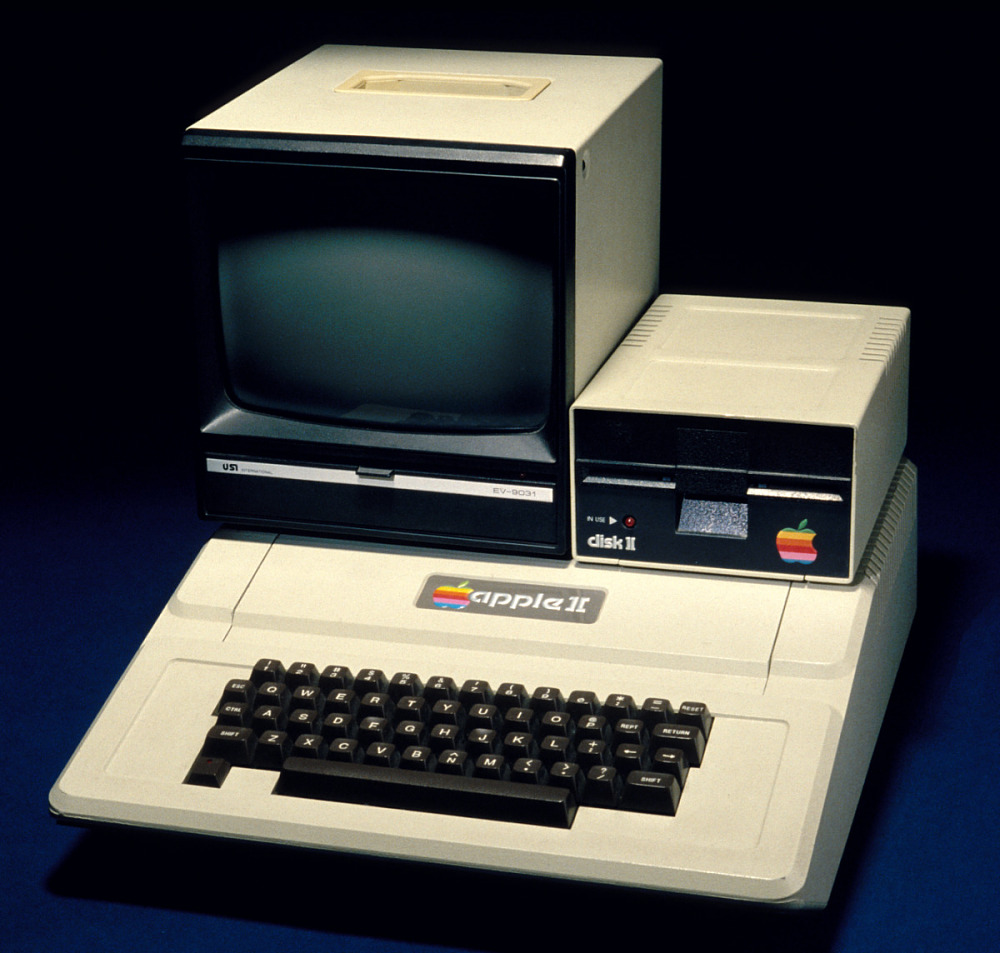
Photo by Tuur Tisseghem on Pexels
The Apple II: Revolutionizing Personal Computing
In the late 1970s, Apple Inc. released a product that would forever change the technology landscape – the Apple II personal computer. Building upon the success of the company's first creation, the Apple I, the Apple II was a significant breakthrough in both design and functionality.
Released in April 1977, the Apple II was one of the first mass-produced personal computers to feature a fully assembled motherboard – a novelty back then. With an impressive 1 MHz processing speed and up to 48 KB of RAM, it was far superior to its predecessor and other contemporary models.
What set the Apple II apart from competitors was its compatibility with a color display, a rare feature at the time. This allowed users to experience vivid graphics and enhance their computing experience. Additionally, the Apple II was also equipped with eight expansion slots, enabling users to customize and expand the capabilities of their computer.
One of the key factors contributing to the success of the Apple II was its user-friendly nature. The machine came with a keyboard and utilized a graphical user interface, making it accessible even to those without extensive technical knowledge . This made the Apple II not only popular among hobbyists and technology enthusiasts but also in educational settings. Its introduction marked the start of a new era, where computers became more approachable and applicable to a broader audience.
The Apple II's impact was felt across various industries and ignited the advent of personal computing. With its capabilities, businesses and individuals could now perform tasks that were previously inconceivable. Word processing, data analysis, and even video games became accessible to a larger population, influencing the way people worked and entertained themselves.
The success of the Apple II laid the foundation for Apple Inc. to become the tech giant it is today. Its innovative design, powerful functionality, and user-friendly interface set a standard for personal computers that still resonates in the industry.
Looking back, the introduction of the Apple II was a groundbreaking moment in the history of personal computing. It exemplified Apple Inc.'s commitment to pushing boundaries and creating products that revolutionize the way we live and work. As we move forward, we can only wonder what future innovations will be inspired by this iconic machine.
- Popular among individuals and businesses due to user-friendly interface
Photo by PhotoMIX Company on Pexels
Apple products have always been popular among individuals and businesses alike, and one of the key reasons for this is their user-friendly interface. From the very beginning, Apple has focused on creating intuitive and seamless experiences for its users. This commitment to simplicity has made Apple devices and software widely sought after in professional settings.
The user-friendly interface offered by Apple has significantly contributed to the brand's professional image. Whether it's the sleek and minimalist design of Mac computers or the intuitive touchscreens on iPhones and iPads, Apple has consistently prioritized ease of use. This attention to detail has allowed professionals from various industries to seamlessly integrate Apple products into their daily workflows.
The intuitive nature of Apple's user interface has also played a crucial role in attracting businesses, both big and small. Professionals value technology that simplifies their work processes and allows for efficient communication and collaboration. Apple's emphasis on user-friendliness ensures that even employees with limited technical expertise can easily navigate their devices and maximize productivity.
Moreover, Apple's commitment to a seamless user experience extends beyond their hardware. Their software applications, such as macOS and iOS, are designed to work seamlessly across devices , enabling smooth transitions from desktop to mobile. This seamless integration is particularly beneficial for professionals who rely on multiple devices to accomplish their tasks and require a consistent and hassle- free experience across platforms .
Beyond the practical benefits, Apple's user-friendly interface also contributes to the brand's professional image. The sleek design, combined with the effortless functionality, portrays a sense of sophistication and reliability. Professionals value technology that not only performs well but also has a polished and professional aesthetic.
In conclusion, Apple's user-friendly interface has been a significant factor in the brand's popularity among individuals and businesses. The intuitive and seamless experiences provided by Apple devices and software have made them an ideal choice for professionals seeking efficient and reliable technology solutions.
Introduction of Macintosh (1984)

Photo by Rodolfo Quirós on Pexels
The year 1984 marked a pivotal moment in Apple's history with the introduction of the Macintosh computer. With its iconic TV commercial during the Super Bowl, Apple set the stage for a new era in personal computing.
The Macintosh, affectionately known as the Mac, was a groundbreaking machine that revolutionized the way people interacted with computers. It featured a user- friendly graphical user interface (GUI), which was a significant departure from the command-line interface predominant at the time. The GUI allowed users to navigate their way through the system by clicking on icons, windows, and menus – a concept that seems commonplace today but was a breakthrough back in the '80s.
The Macintosh was marketed as an all-in-one computer, housing both the monitor and the CPU in a single compact unit . This design choice made it more approachable and less intimidating for users who were new to computing. With its sleek aesthetics and intuitive interface, the Macintosh appealed not only to tech-savvy individuals but also to a wider audience interested in harnessing the power of technology.
Furthermore, the Macintosh came with a set of bundled applications, including MacPaint and MacWrite, which further emphasized its user-friendly nature. These applications provided users with tools to create digital artwork and write documents, making the Macintosh an attractive choice for professionals and creatives alike.
The introduction of the Macintosh was a turning point for Apple as it solidified the company's commitment to creating user-centered products that were both functional and aesthetically pleasing. This commitment to design and innovation has become synonymous with Apple's brand, helping the company grow into the tech giant it is today.